What Does a Female Cardinal Look Like? Photos & Similar Birds
Identify a female Northern Cardinal by her crest, thick orange-red bill, and pale brown plumage with red accents, and tell her apart from similar birds.
Read guide →Build confidence from shape, behavior, habitat, voice, and carefully verified photographs.
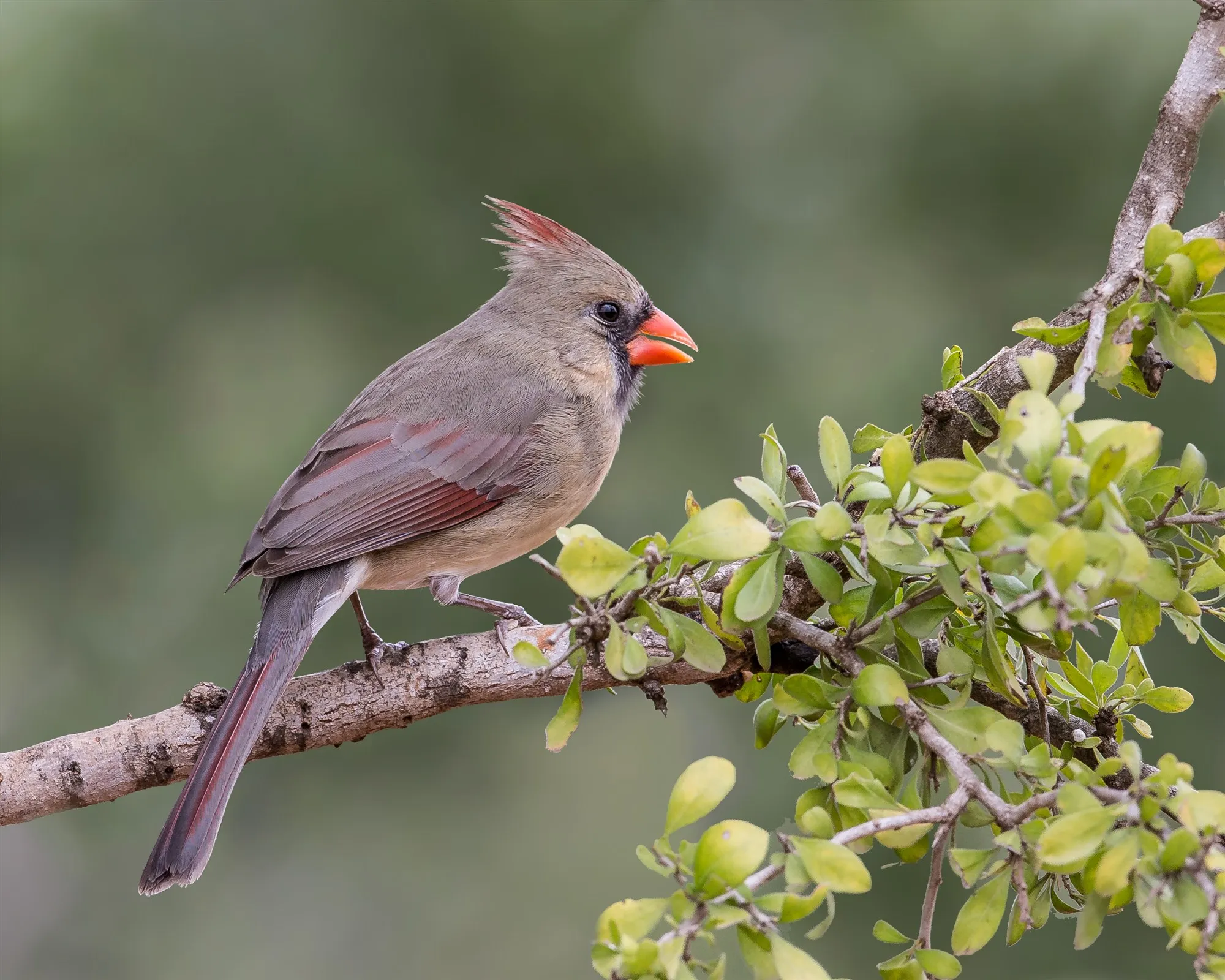
Color is useful, but it is rarely the whole answer. These guides teach a repeatable way to observe size, silhouette, bill shape, behavior, season, and location before settling on a species.
Identification articles require licensed, verified documentary images before publication. Generated design imagery is never evidence.
Notice the whole bird before naming a color: overall size, bill shape, crest, tail, posture, and where it is feeding. Then compare more than one photograph from a trusted field guide. Light and camera exposure can shift brown, red, and gray, so a single blurry frame is weak evidence.
The two cardinal guides below answer different questions. What Does a Female Cardinal Look Like? starts with the female and similar birds. Male vs. Female Cardinal is a side-by-side comparison that includes juvenile clues. Cornell Lab’s Northern Cardinal identification page (opens in a new tab) supports the core field marks. Neither guide assumes every brown bird at a feeder is a female cardinal.
If a bird remains uncertain, record the location, season, and several field marks before choosing a species. A feeder camera can provide another look, but its automated label is a suggestion to check, not proof.
Identify a female Northern Cardinal by her crest, thick orange-red bill, and pale brown plumage with red accents, and tell her apart from similar birds.
Read guide →Compare Northern Cardinal plumage, bills, crests, face patterns, behavior, and juvenile clues without relying on color alone.
Read guide →