Quick answer: Empty the feeder, take it apart, remove visible debris, scrub every surface, rinse thoroughly, and let it dry completely before refilling. Cornell Lab describes routine cleaning about every two weeks, more often when use is heavy, conditions are wet, or sick birds are present. Clean the ground underneath as well.
Routine cleaning, not a cosmetic rinse
Seed dust, hulls, droppings, and damp food collect in seams and trays. A quick splash may make the outside look clean while leaving residue where birds feed. Start by emptying the feeder completely and discarding old seed. Do not pour damp seed into a compost pile that will attract pests; use a sealed household-waste route appropriate to your local rules.
The five-step method
- Disassemble what you can. Separate the tray, ports, roof, perch, and removable screens.
- Remove dry debris. Brush or shake loose hulls outside before washing.
- Wash and scrub. Use hot water and soap, or follow the feeder maker’s care instructions. Reach corners and seams.
- Rinse fully. Soap and disinfectant should not remain on feeding surfaces.
- Air-dry completely. Moisture left inside a feeder makes fresh seed deteriorate faster.
Cornell Lab discusses a dilute bleach solution of no more than one part bleach to nine parts water and notes that a ten-minute soak can be effective after debris is removed. If you use that method, measure it, ventilate the area, keep it away from children and pets, and rinse extremely well. Never mix bleach with other cleaners.
If a feeder cannot be opened enough to remove old food from its seams, reconsider using it. Ease of cleaning belongs on a buying checklist as much as capacity or appearance; Where to Place a Bird Feeder can help you choose a station that stays reachable for routine care.
Inspection and cleaning guide
| What you find | What it means for the routine | Safe response |
|---|---|---|
| Dry feeder, normal use, no visible contamination | Routine maintenance | Clean about every two weeks, then rinse and dry fully before refilling |
| Heavy use, rain, damp seed, or wet hulls | Conditions can spoil food between scheduled cleanings | Inspect now; discard questionable seed and clean if moisture or residue is present |
| Sick birds, unusual mortality, or a current local advisory | This is not a normal maintenance decision | Do not diagnose; follow current state wildlife-agency guidance before deciding whether to remove feeders |
Clean the area below the feeder
Rake or sweep up spilled seed, hulls, and droppings. A tray can reduce waste but becomes another surface that needs cleaning. If the ground stays wet, move the feeder to a better-drained location rather than allowing a permanent layer of spoiled food to build up.
When disease is suspected
If birds look sick or several dead birds appear nearby, stop treating the feeder as a normal maintenance task. Audubon advises increasing cleaning frequency and not handling sick birds. Follow current guidance from your state wildlife agency or a recognized wildlife-health authority about taking feeders down, cleaning them, and reporting unusual mortality.
Do not try to diagnose or treat a wild bird yourself. Keep cats and dogs away from the area and wash your hands after handling feeder parts.
After a heavy rain, inspect the seed and tray even if the usual cleaning date has not arrived. Damp clumps and a musty smell are reasons to discard the food and clean the feeder rather than topping it up. This check takes less time than waiting for a scheduled wash while spoiled food remains available.
For the common reasons a feeder goes quiet, see Why Birds Stop Visiting Your Feeder. Hummingbird nectar requires a separate routine in How Often to Clean a Hummingbird Feeder.
Sources
- Cornell Lab of Ornithology: How to Clean Your Bird Feeder (opens in a new tab)
- National Audubon Society: Three Easy but Important Ways to Keep Your Bird Feeders Disease-Free (opens in a new tab)
Photo credits
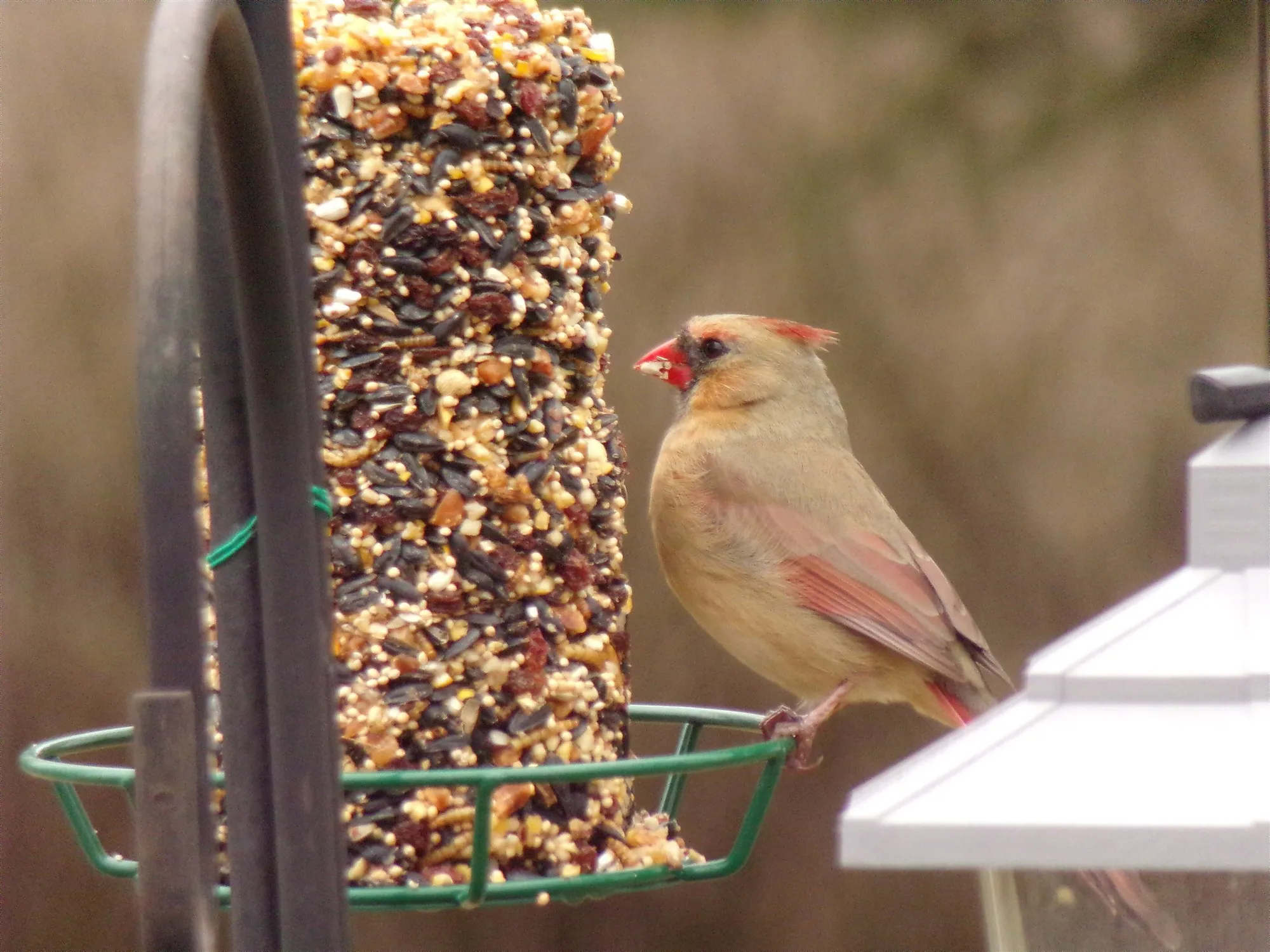
The licensed wildlife photograph in the article header is credited beneath it. It is not a demonstration of a cleaning method or product.