Quick answer: Put a feeder where birds can approach from nearby cover, people can clean it safely, spilled seed will not stay wet, and windows are visible or outside the main flight path. There is no single perfect distance for every yard. Start with the windows, then map branches, roofs, fences, predators, and your own cleaning route.
Begin with the windows
Glass is difficult for birds to see. Cornell Lab recommends making windows visible with exterior markers, screens, or other effective treatments. Do not assume that a feeder location alone solves the collision problem. A feeder can bring birds closer to a window, which is useful only when the glass is treated as part of the habitat design.
Cornell’s updated window guidance (opens in a new tab) says older rules based on feeder distance alone are not reliable. Identify the dangerous pane first, then make its outside surface visible to birds. A single decorative sticker is not a complete treatment.
Look for routes where birds may fly from a tree or feeder toward a large pane. Mark the outside of the glass, not the room side, and use a pattern dense enough to be visible to birds. Re-check the route after moving the feeder or adding a new perch.
Offer cover without offering an ambush
Nearby shrubs and trees give birds places to wait, retreat, and scan the yard. But a feeder hidden inside dense foliage can give a cat an easy hiding place. Aim for a visible edge: cover close enough to use, with an open approach to the feeder.
Watch the site at the time birds use it. A position that looks safe at noon may be exposed to a predator at dawn or dusk.
Plan for weather and drainage
Keep seed away from persistent runoff. A roof helps only if water drains away from the feeding ports and the tray can dry. Avoid low spots where hulls and droppings stay wet. A clean, dry location is easier to maintain and reduces the chance of spoiled food.
Leave a maintenance path
You need to reach the feeder with both hands, empty it without spilling old seed, and carry the parts to a sink. If the only way to clean it is across a thorn bed or up a ladder, the location is too difficult. The best placement is the one you can maintain consistently.
Read the seed-feeder cleaning routine before choosing a spot. It is easier to plan a clear path now than to move a full feeder later.
A 60-second placement check
Before installing, stand where the feeder will go and ask: is the hazardous glass treated on the outside; can birds approach without a cat ambush; will water drain away from seed; can you reach every part from the ground; and can you clean the surrounding surface? A “no” is a reason to adjust the site before adding seed.
Three small-yard scenarios
- Apartment balcony: Keep the feeder stable, protect the surface from spills, treat nearby glass with visible exterior markers, and confirm building rules before hanging anything.
- Suburban patio: Use a clear edge near shrubs, then check the route from the roof, fence, deck, and any cat hiding place before adding a baffle.
- Large yard: Spread feeders so birds are not forced into one crowded spot, but only as far as you can inspect and clean each station consistently.
For a quiet feeder after placement, use Why Birds Stop Visiting Your Feeder. Squirrel access is covered in How to Keep Squirrels Off Bird Feeders.
Sources
- Cornell Lab of Ornithology: Why Birds Hit Windows—and How You Can Help Prevent It (opens in a new tab)
- Project FeederWatch: There are no birds at my feeders. Where have they gone? (opens in a new tab)
Photo credits
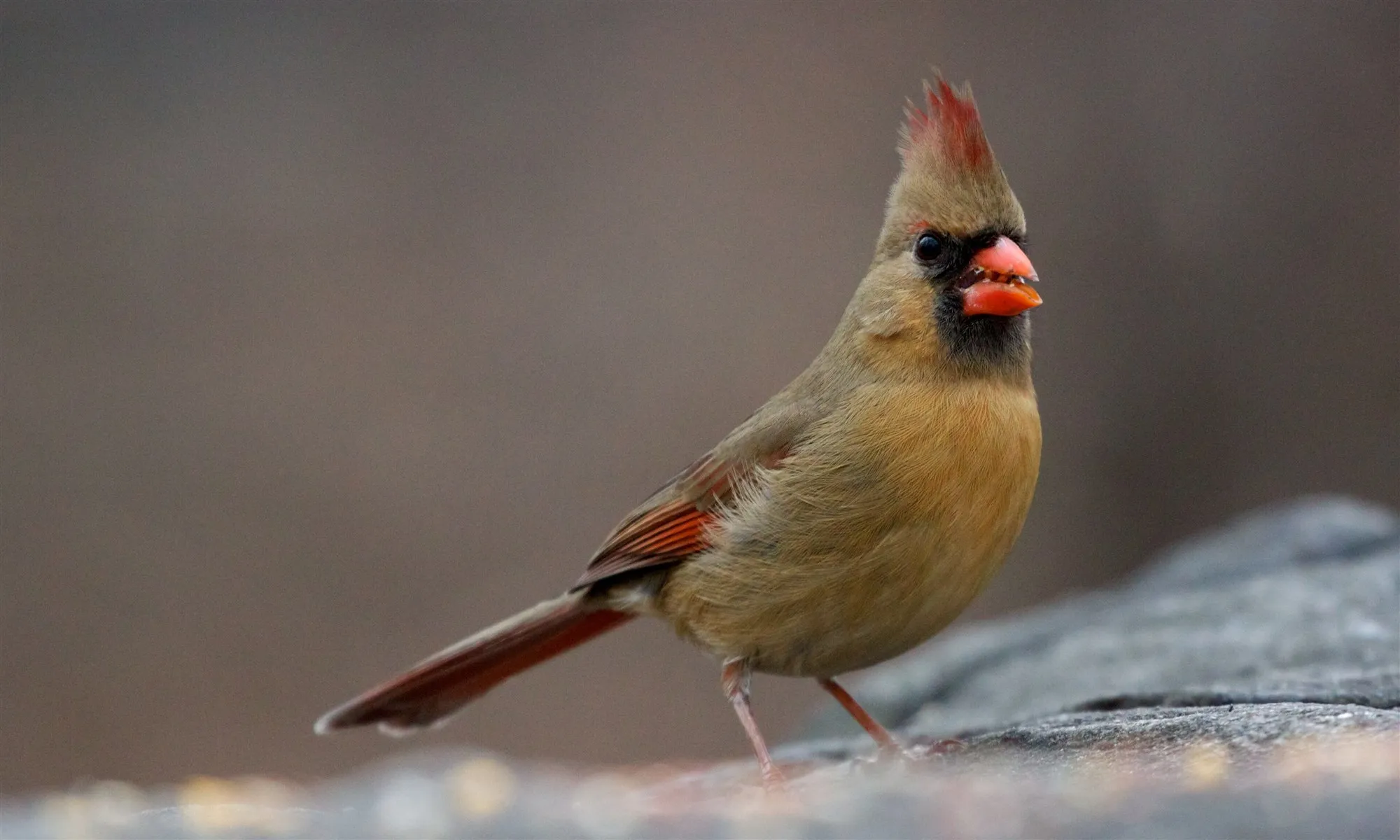
The licensed wildlife photograph in the article header is credited beneath it. It is not a documented example of a fully assessed feeder location.