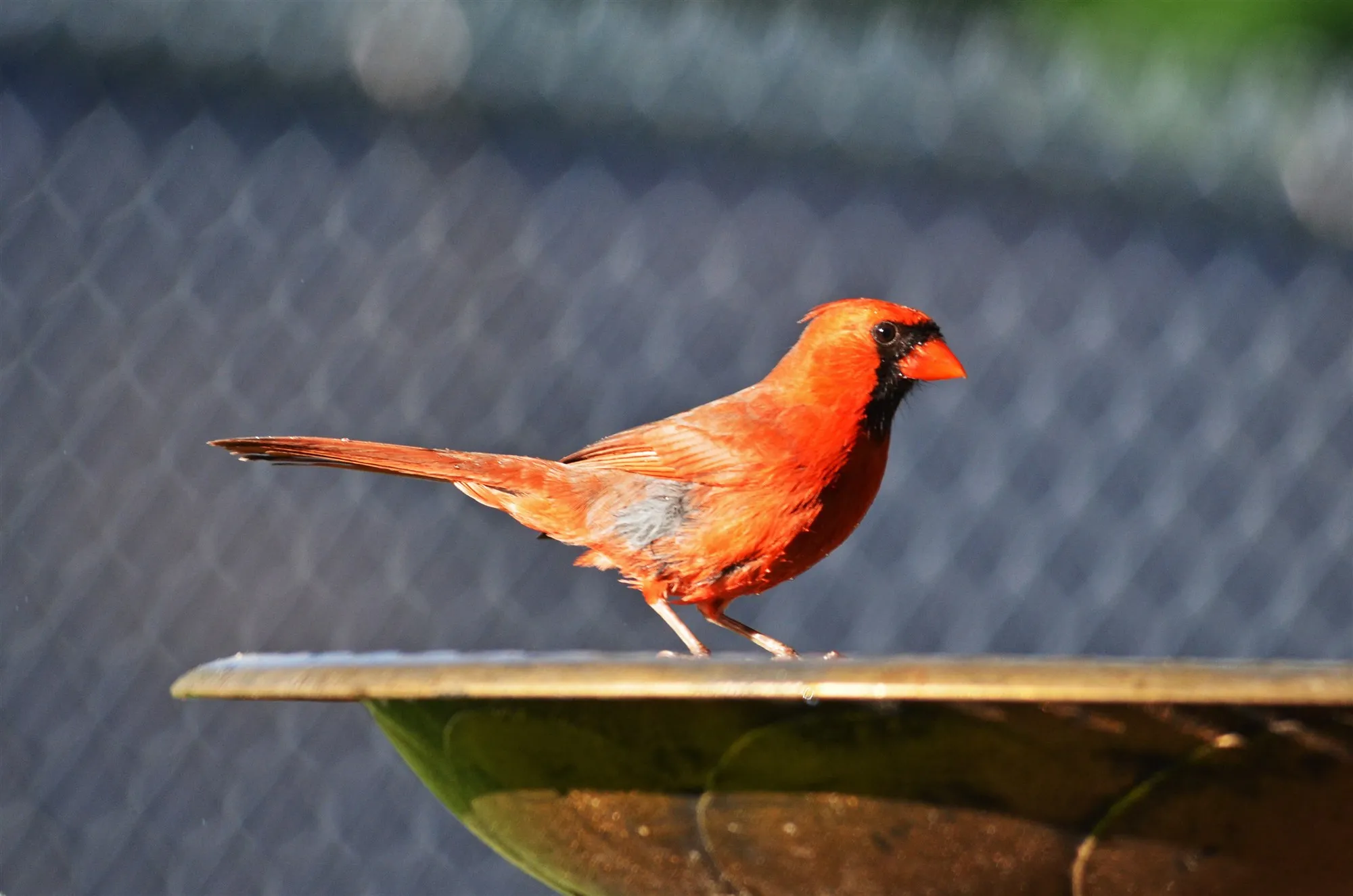
Quick answer: Offer fresh, dry food that local birds already use, keep feeders clean, and treat winter feeding as one part of habitat—not a guarantee that birds will visit. Black-oil sunflower is a common starting point for many seed-feeding birds, but the best choice depends on the species in your region and the waste you can maintain.
Start with the birds in your yard
Watch which species are already present before buying a large bag of seed. A cardinal, finch, sparrow, woodpecker, and chickadee may use different feeding surfaces and foods. A small amount of a suitable seed is more useful than a large amount that sits damp and untouched.
Read the label for ingredients and avoid mixtures that leave a thick layer of filler on the ground if you cannot clean it. Store seed in a dry, sealed container and discard anything that smells musty or has clumped.
Choose one food for one group of visitors
Project FeederWatch’s feeding guide (opens in a new tab) describes black-oil sunflower as a common choice for several seed-eating species, including cardinals and chickadees. Nyjer needs a feeder with very small ports and is aimed chiefly at finches; suet suits other visitors but needs special care when temperatures rise. These are different setups, not a reason to put every food out at once. Observe the birds you actually have, start small, and keep uneaten food dry.
If cardinals are a main goal, use Where to Place a Bird Feeder to choose a station that remains safe and reachable for cleaning. Landing space and maintenance matter as much as the seed itself.
Match food to the visitor and feeder
| Visitor or goal | Food and feeder question | Maintenance question |
|---|---|---|
| Cardinals, chickadees, or mixed seed-eaters | Is fresh black-oil sunflower appropriate for the species already using your yard and the feeder surface? | Can you keep the seed dry and clear hulls beneath the station? |
| Finches | Does a small-port feeder match fresh nyjer and the species present locally? | Can you prevent damp, neglected seed from collecting in small ports? |
| Insect-eating visitors | Does the feeder and season make suet appropriate for your conditions? | Can you monitor it for spoilage and remove it if conditions make maintenance difficult? |
| Any region during a health advisory | Has the state wildlife agency issued current feeder guidance? | Follow the local instruction rather than this general matrix |
Keep the feeding station clean
Winter does not make spoiled seed safe. Moisture, snow, and short daylight can make it harder to see buildup in a tray. Empty the feeder before adding fresh food, scrub it on a regular schedule, and clean the ground below. See How to Clean a Bird Feeder for the complete routine.
Before putting out food, check your state wildlife agency for current local feeding restrictions and disease advisories; these can change by place and season. The U.S. Fish & Wildlife Service says common feeder visitors are not usually the birds most affected by avian influenza, but crowded feeders can spread other diseases. If you see sick birds or an unusual mortality event, take feeders down and follow your state agency’s advice. Do not handle sick birds yourself. Review current federal avian-influenza guidance (opens in a new tab), then check your state agency for local instructions.
Add habitat, not only food
Dense native shrubs, mature trees, and shelter from wind can matter as much as a feeder. Birds need places to rest and escape predators. A clean water source can also help when natural water is frozen, but it must be shallow, stable, and maintained; use How to Make a Bird Bath Safe.
Expect winter movement
Weather and natural food change bird numbers. A quiet feeder does not prove that the food is wrong. Project FeederWatch notes that birds move with weather, habitat, and natural food availability. Use Why Birds Stop Visiting Your Feeder before changing several variables at once.
Sources
- Project FeederWatch: Feeding Birds (opens in a new tab)
- U.S. Fish & Wildlife Service: Backyard Bird Feeding Tips (opens in a new tab)
- U.S. Fish & Wildlife Service: Avian Influenza (opens in a new tab)
Photo credits
The licensed wildlife photograph in the article header is credited beneath it. It is not evidence that a particular food or feeder has been tested.